How to write a personal statement that doesn't sound like everyone else's
The five rhetorical moves that show up in 80% of rejected personal statements - and what to do instead.
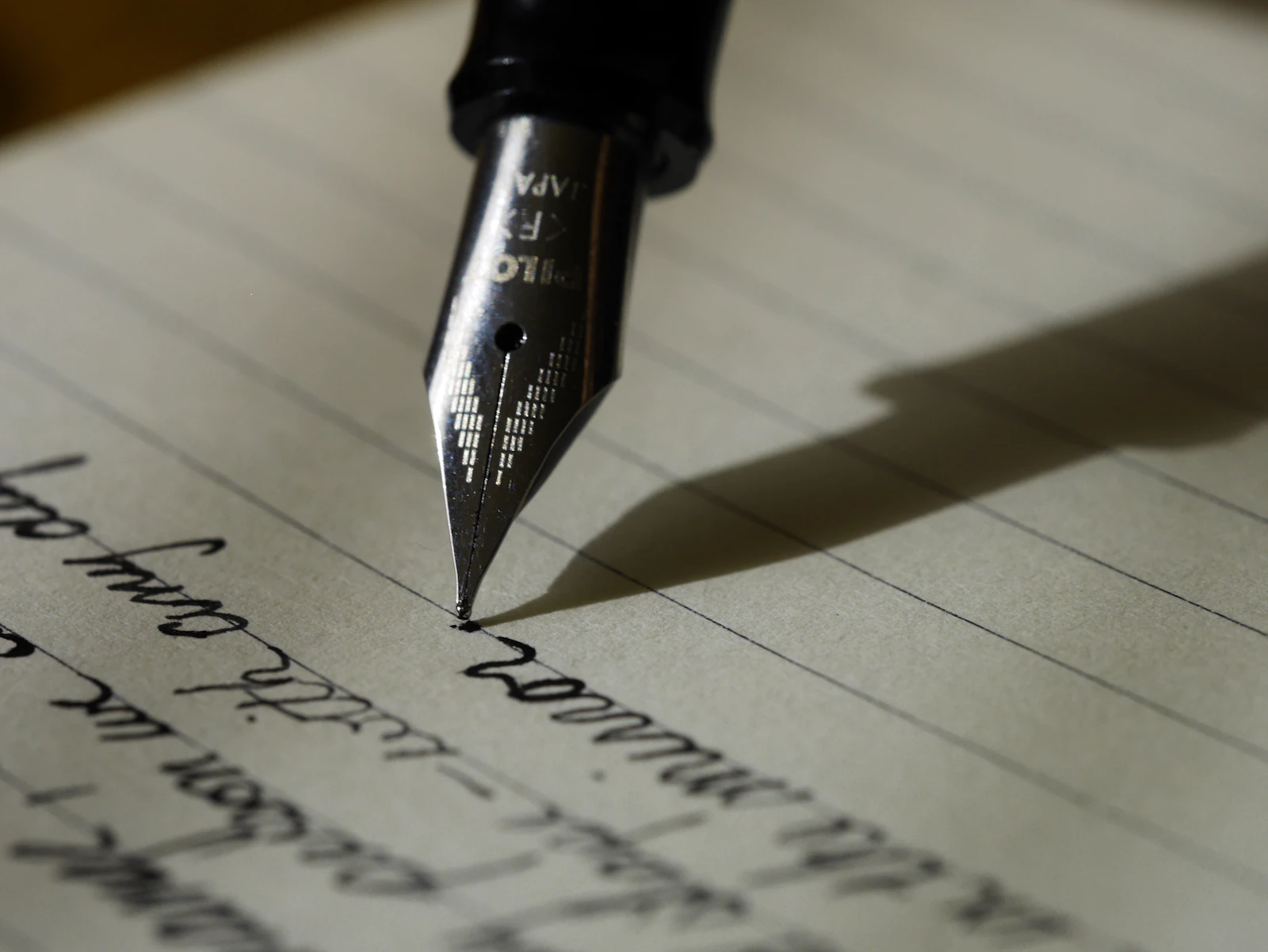
Admissions tutors read between 200 and 1,200 personal statements a season. By the end of November they can spot a chatbot draft inside the first sentence and a copy-paste opening from a tutoring template inside the first paragraph. They’re not looking for polished. They’re looking for someone they’d want to teach.
There are five rhetorical moves that show up in roughly four out of every five rejected personal statements. The opener that quotes a philosopher. The “from a young age” origin story. The list of work-experience nouns with no verbs underneath them. The pivot to a hardship that has nothing to do with the subject. The closing paragraph that promises to “give back to the community” without specifying anything.
None of those moves are bad in isolation. They’re just so common that they no longer signal anything. Your personal statement is competing for attention against 800 other statements that are doing the same dance.
This post is a working playbook for the five moves to retire, the five moves that consistently land, and the only test that matters once your draft is done: can you read it out loud to a friend, in your own voice, without flinching?

